Danish museums and castles: Louisiana, ARoS, Kronborg and more to visit
Much of what visitors travel to see in Denmark was gathered by private collectors and kings. The brewer Carl Jacobsen gave his sculpture collection to the state and the city of Copenhagen in 1888, and it became the Ny Carlsberg Glyptotek. Knud W. Jensen opened the Louisiana on the Øresund coast north of Copenhagen in 1958. Five Viking ships raised from Roskilde Fjord in 1962 fill the Viking Ship Museum, and Kronborg at Helsingør, the Elsinore of Shakespeare's Hamlet, has been on the UNESCO World Heritage List since 2000.
Art
The Danish art museums people travel for, from modern art on the Øresund coast to ancient sculpture in Copenhagen.
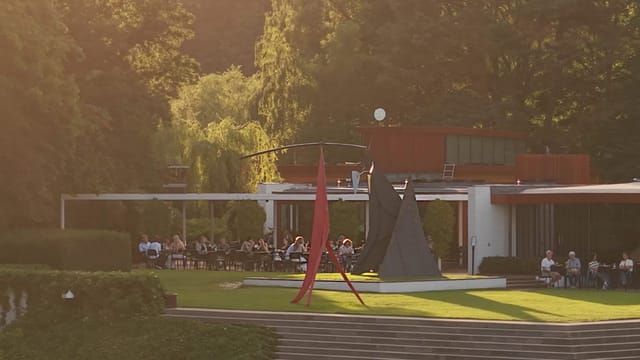 Louisiana Museum of Modern Art A museum of modern and contemporary art on the Øresund coast north of Copenhagen, with a sculpture park facing the sea.
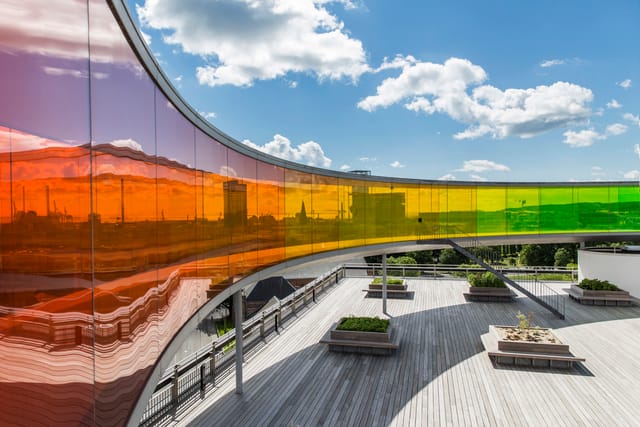 ARoS Aarhus Kunstmuseum The art museum of Aarhus, in a ten-storey building crowned by Olafur Eliasson's rainbow-coloured glass walkway.
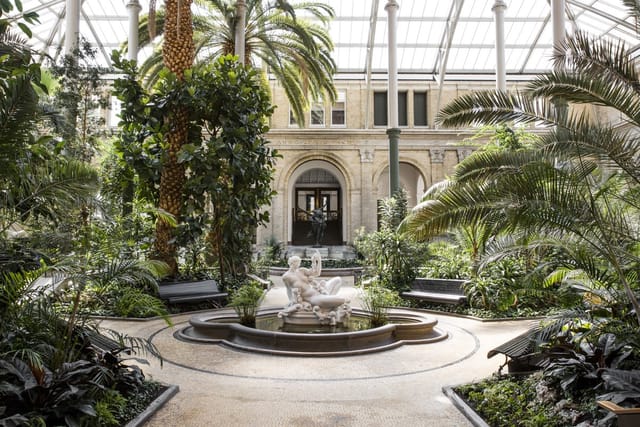 Ny Carlsberg Glyptotek A Copenhagen museum of ancient and modern sculpture and French and Danish painting, built on the collection of the brewer Carl Jacobsen.
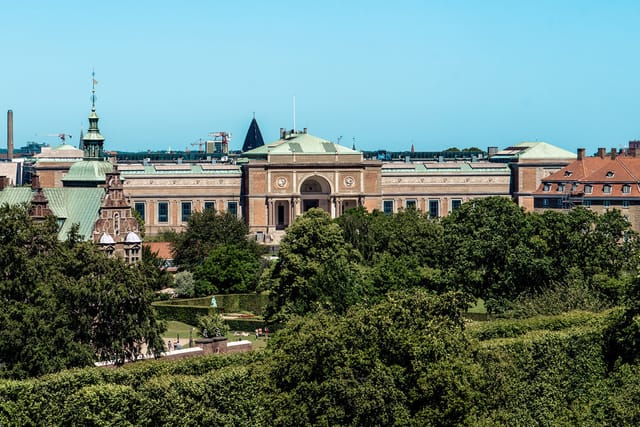 SMK – National Gallery of Denmark Denmark's national gallery in Copenhagen, with European art from the 14th century to today and the world's largest collections of Købke and Hammershøi.
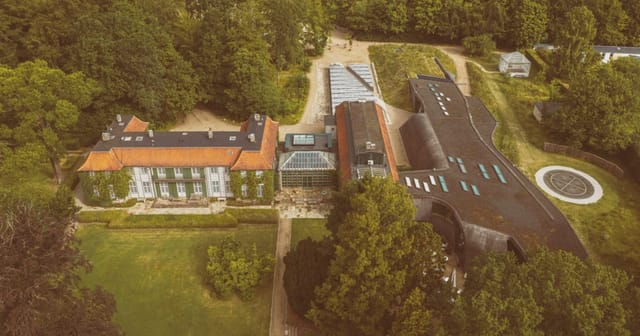 Ordrupgaard An art museum in a country house north of Copenhagen, with French Impressionism, Danish art around 1900 and an extension by Zaha Hadid.
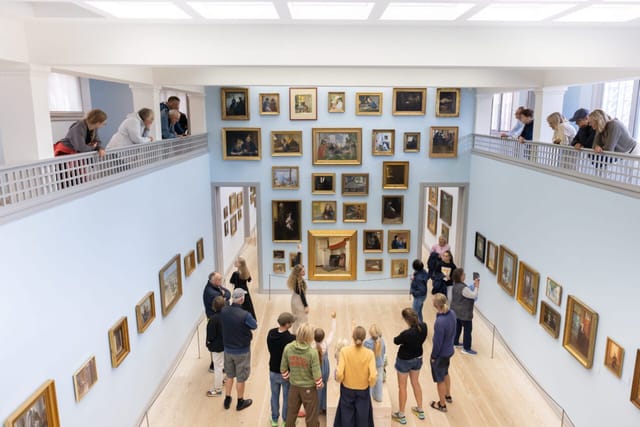 Skagens Museum An art museum in Skagen, at the northern tip of Jutland, built around the work of the Skagen Painters.
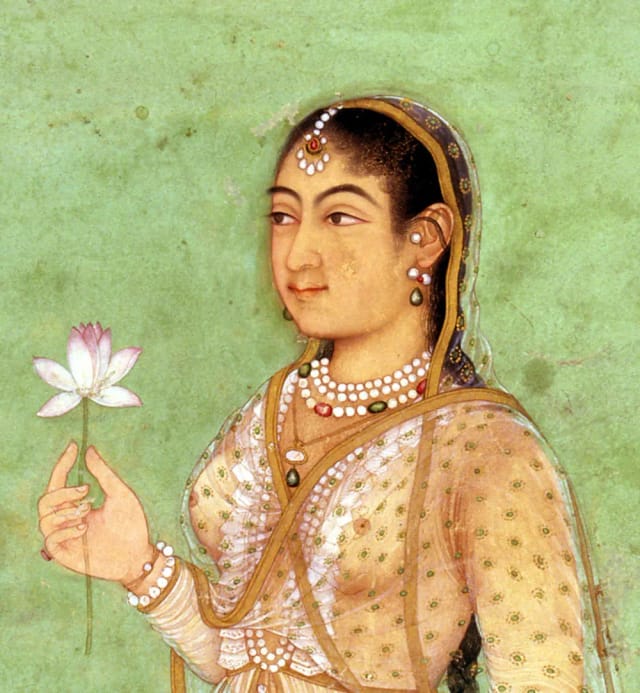 The David Collection A museum in a Copenhagen townhouse holding one of Northern Europe's largest collections of Islamic art, beside older European and Danish art.
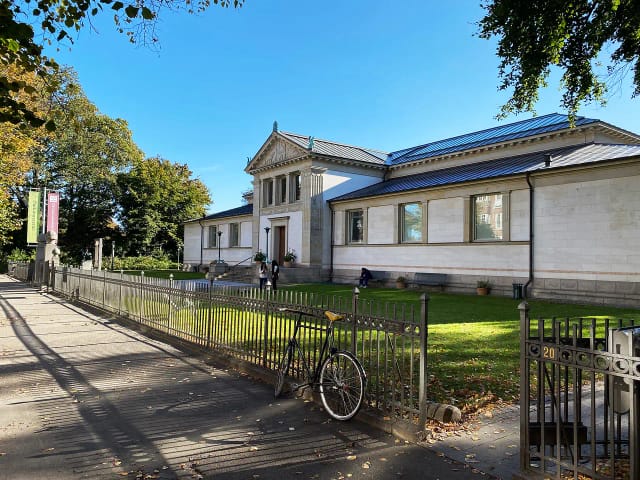 The Hirschsprung Collection A museum of Danish art from the 19th and early 20th century in the park of Østre Anlæg in Copenhagen, built on the collection of the tobacco manufacturer Heinrich Hirschsprung.
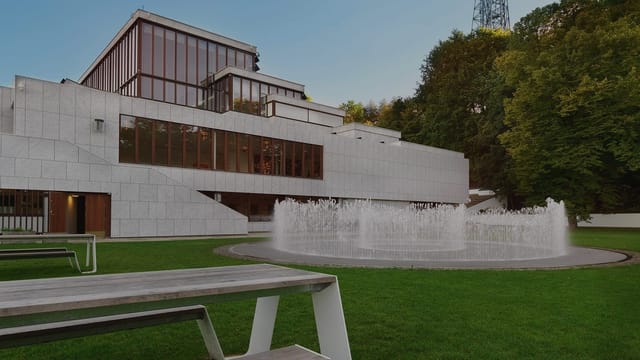 Kunsten The museum of modern art in Aalborg, in a white-marble building by Alvar Aalto, Elissa Aalto and Jean-Jacques Baruël.
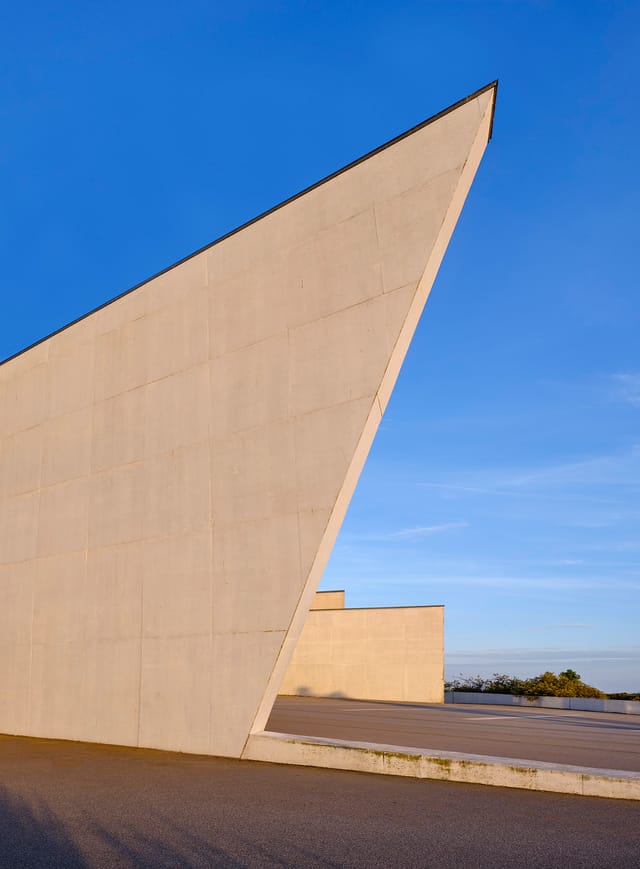 ARKEN Denmark's largest museum of contemporary art, in a ship-shaped building by Søren Robert Lund on the coast at Ishøj, south-west of Copenhagen.
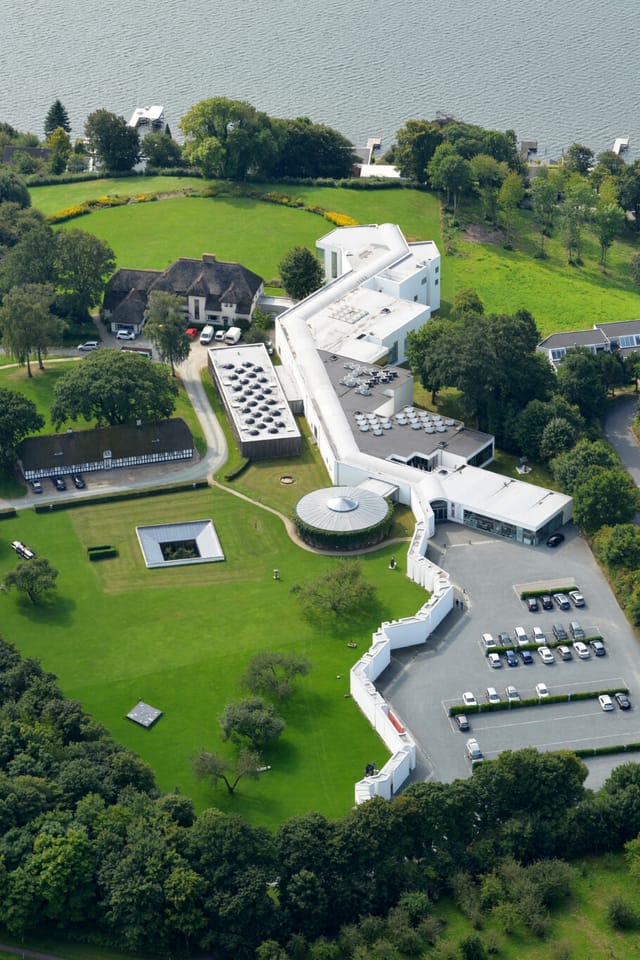 Trapholt A museum of modern art, craft and design above Kolding Fjord, with a large collection of Danish furniture and Arne Jacobsen's Kubeflex summer house.
Design and history
Museums of Danish design, of Danish history and of the Viking ships raised from Roskilde Fjord.
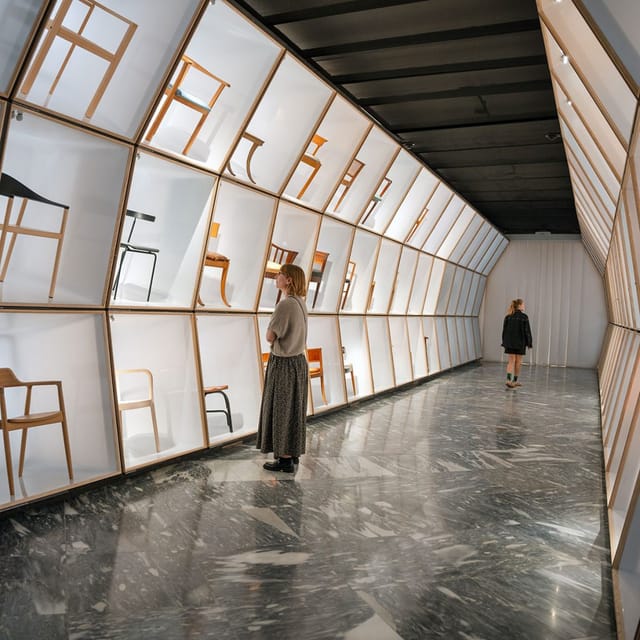 Designmuseum Danmark The Copenhagen museum of Danish and international design and crafts, from Kaare Klint and Arne Jacobsen to Chinese porcelain.
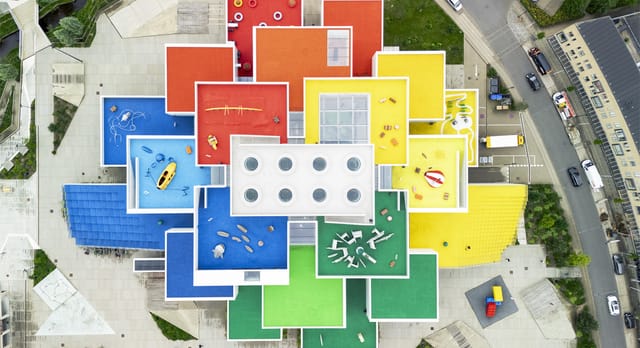 LEGO House The LEGO Group's house of play, exhibitions and museum in Billund, built to look like a stack of bricks.
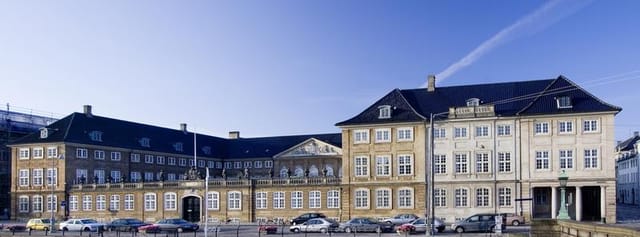 National Museum of Denmark Denmark's largest museum of cultural history, in the Prince's Palace in Copenhagen, covering 14,000 years from the Ice Age to the Vikings and beyond.
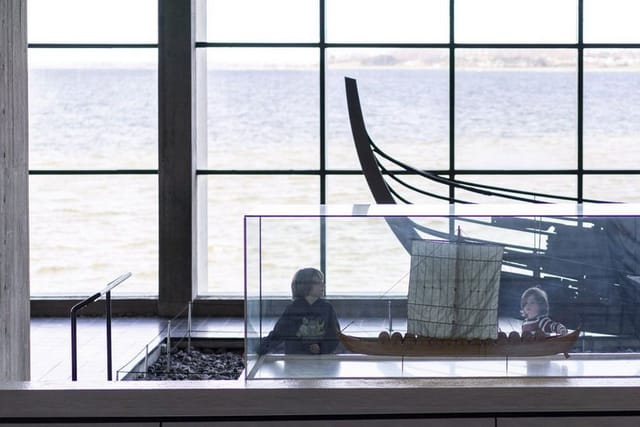 Viking Ship Museum Denmark's national museum of prehistoric and medieval ships in Roskilde, built around five Viking ships raised from Roskilde Fjord.
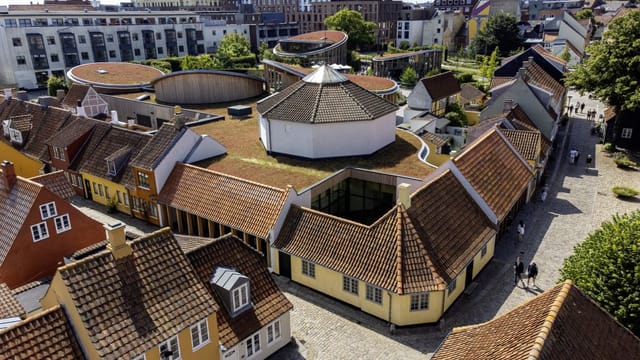 H.C. Andersens Hus The Hans Christian Andersen museum in Odense, built around the house where he was born and reopened in 2021 in a building by Kengo Kuma.
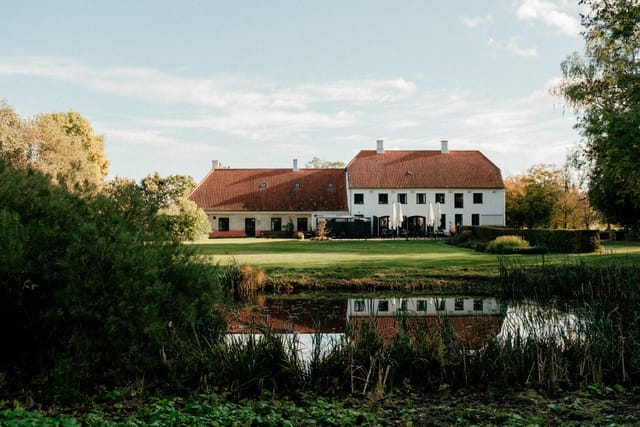 Karen Blixen Museum Rungstedlund, the house on the Øresund coast north of Copenhagen where Karen Blixen was born, wrote most of her books and is buried.
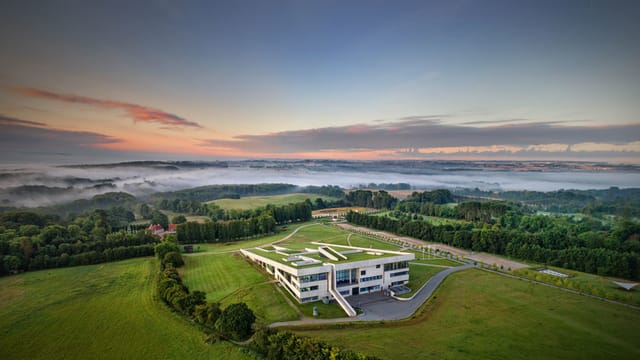 Moesgaard Museum The museum of archaeology and ethnography south of Aarhus that holds the Grauballe Man, in a sloping building by Henning Larsen Architects.
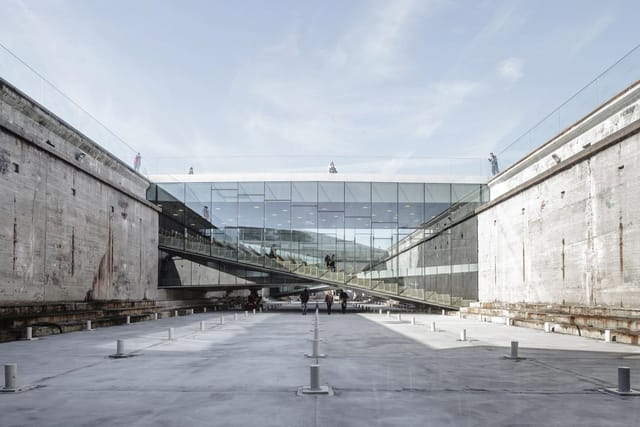 M/S Museet for Søfart The Maritime Museum of Denmark at Helsingør, built by BIG underground around an old dry dock beside Kronborg.
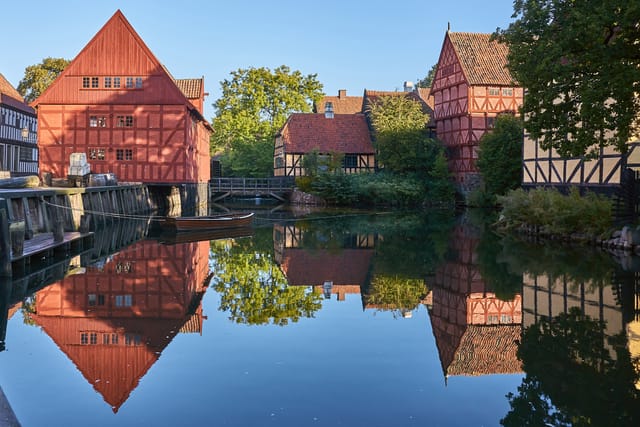 Den Gamle By An open-air museum in Aarhus: a Danish market town of 75 historic houses moved from 20 towns across the country.
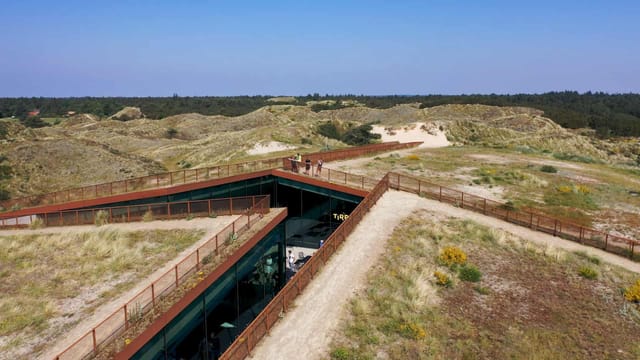 Tirpitz A museum cut into the dunes at Blåvand by Bjarke Ingels Group, joined to a German gun bunker of the Atlantic Wall.
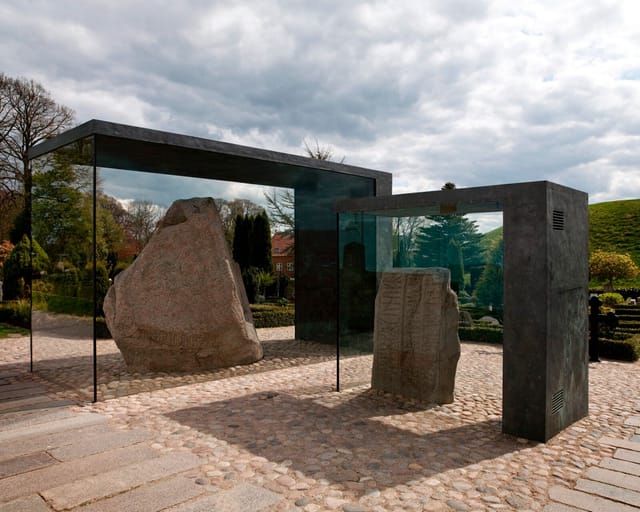 Kongernes Jelling The site in Jutland of the Jelling stones and burial mounds of the 10th-century Viking kings Gorm and Harald Bluetooth, with the National Museum's experience centre beside them.
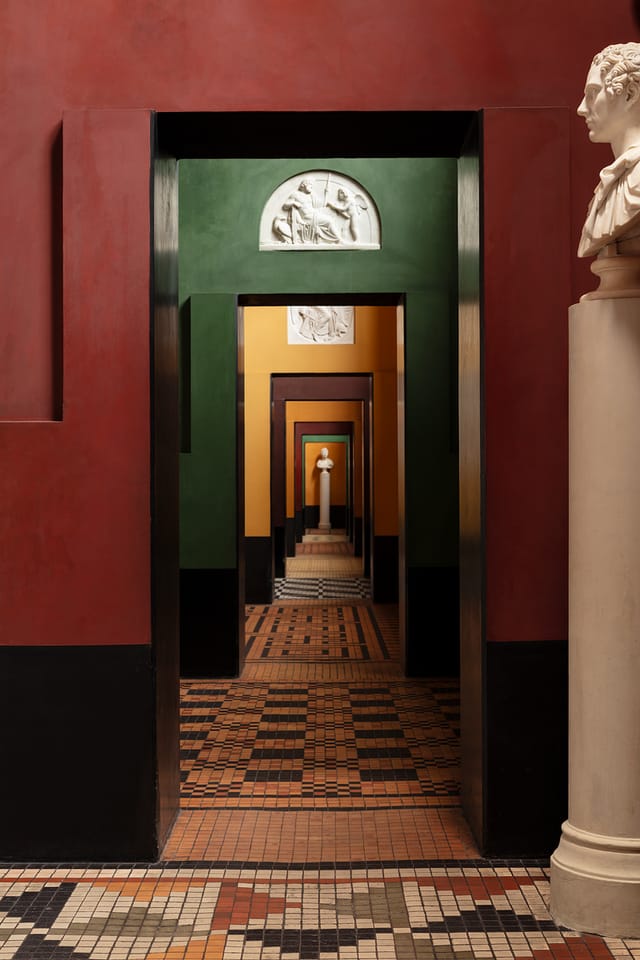 Thorvaldsens Museum The museum on Slotsholmen in Copenhagen built for the work of the Neoclassical sculptor Bertel Thorvaldsen, who is buried in its courtyard.
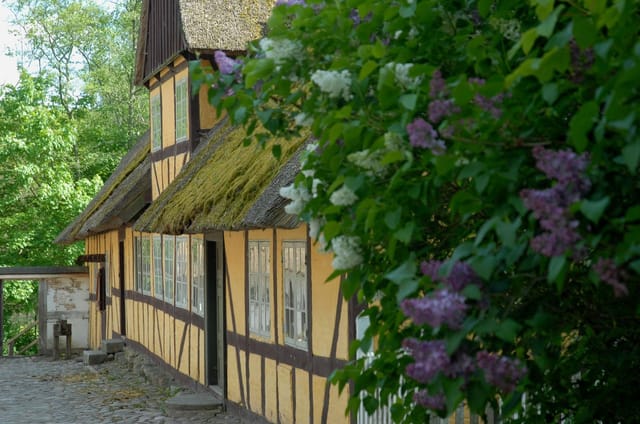 Frilandsmuseet The National Museum's open-air museum north of Copenhagen, with more than 100 farms, houses and mills moved from across Denmark and its former lands.
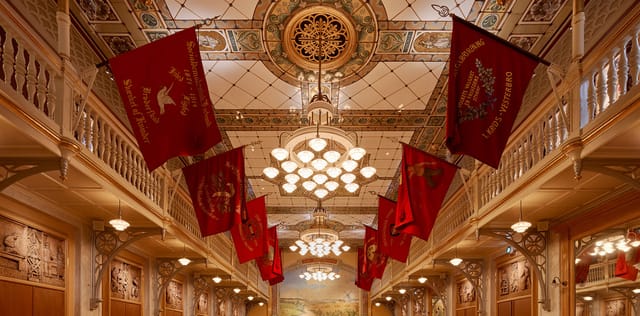 The Workers Museum Denmark's museum, archive and library of working life and the labour movement, housed in the Workers’ Assembly Hall of 1879 in central Copenhagen.
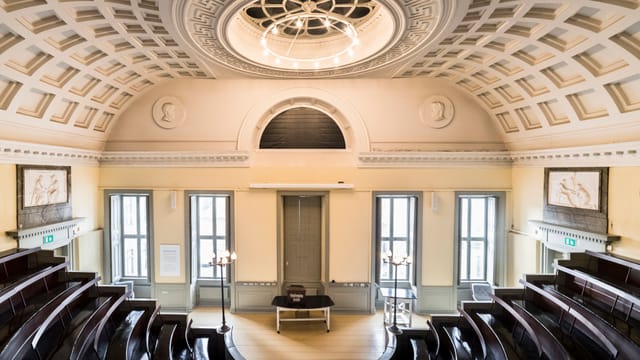 Medical Museion The University of Copenhagen's museum of medicine, in the Royal Surgical Academy of 1787 on Bredgade, around the old dissection auditorium.
Royal castles
The Renaissance castles of Denmark, from Hamlet's Elsinore to the crown jewels in Copenhagen.
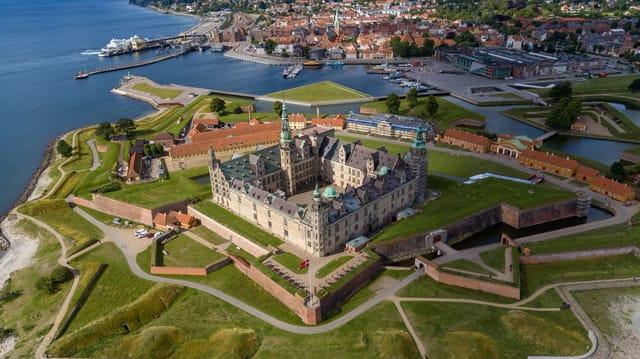 Kronborg The Renaissance castle at Helsingør on the narrowest point of the Øresund, the Elsinore of Shakespeare's Hamlet.
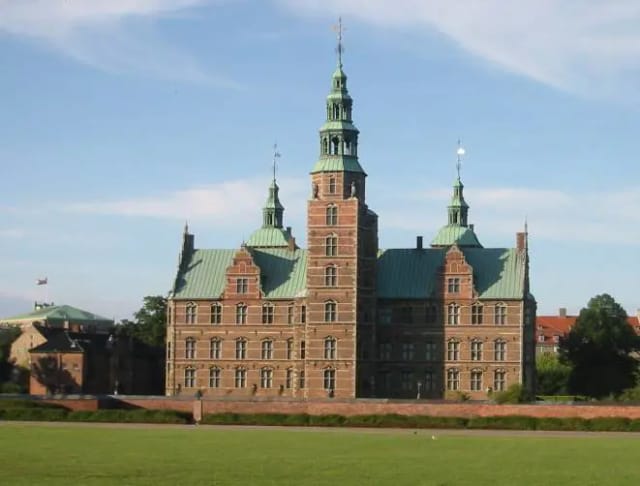 Rosenborg Castle Christian IV's Renaissance castle in the King's Garden in Copenhagen, where the Danish crown jewels and regalia are kept.
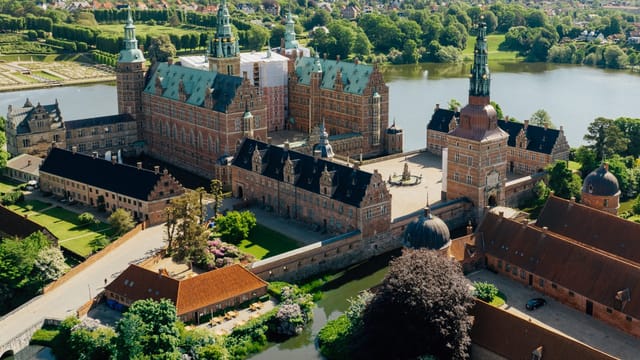 Frederiksborg Castle Christian IV's Renaissance palace on three islets in the castle lake at Hillerød, home of the Museum of National History.
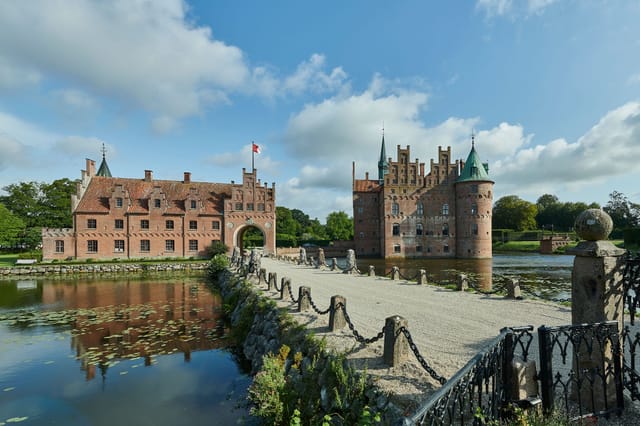 Egeskov A Renaissance water castle on oak piles in a lake in southern Funen, with gardens, mazes and museums of cars and machines.
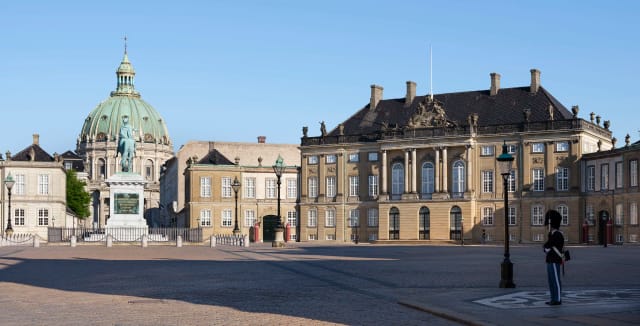 Amalienborg The four Rococo palaces around an octagonal square in Copenhagen that are the home of the Danish royal family, with a museum in one of them.
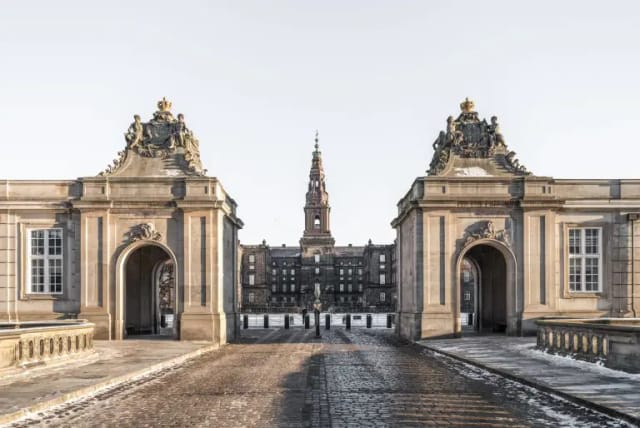 Christiansborg Palace The palace on Slotsholmen in Copenhagen that holds the Danish parliament, the Prime Minister's Office and the Supreme Court, with the King's reception rooms.
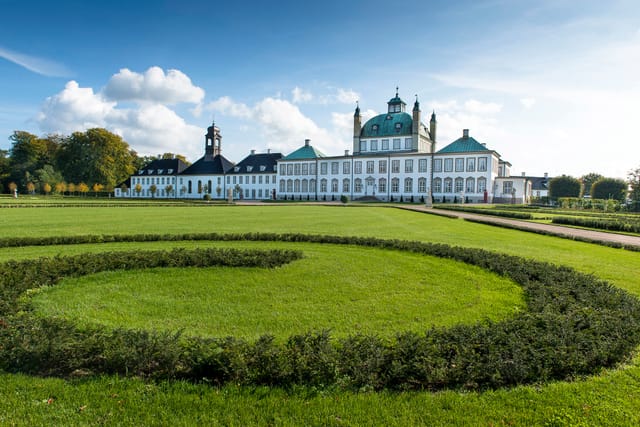 Fredensborg Palace The Danish royal family's Baroque palace on Lake Esrum in North Zealand, their spring and autumn residence, with one of Denmark's largest Baroque gardens.
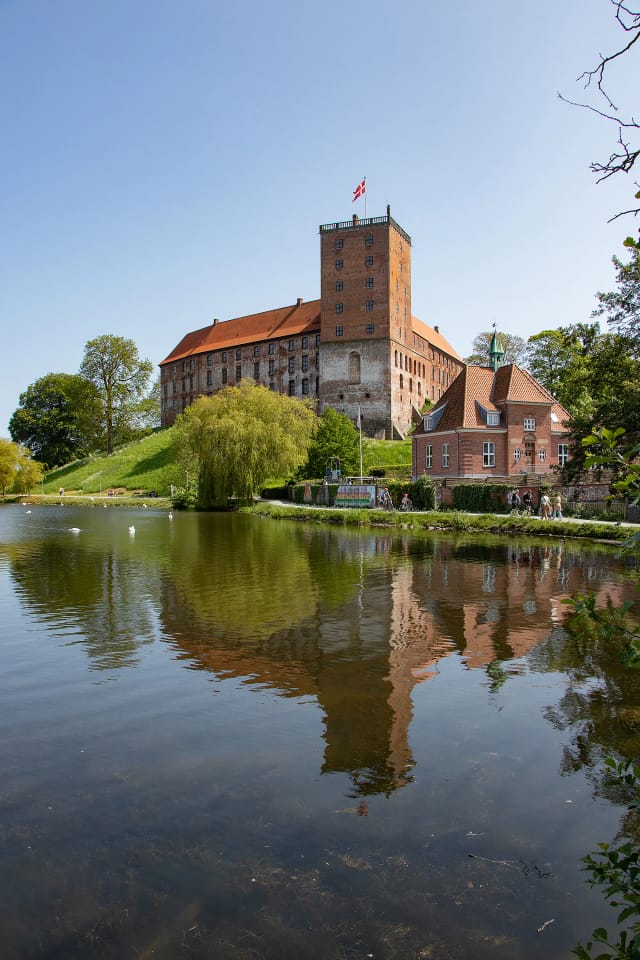 Koldinghus The royal castle above the lake in Kolding, a medieval fortress and Renaissance residence that burned in 1808 and now houses a museum run by the Royal Danish Collection.
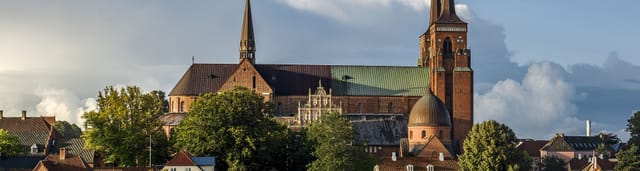 Roskilde Cathedral The brick Gothic cathedral in Roskilde where Danish kings and queens have been buried since the 15th century, on the UNESCO World Heritage List since 1995.
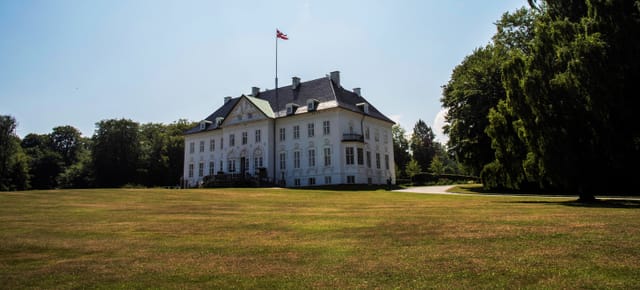 Marselisborg Palace The Danish royal family's summer residence in Aarhus, built 1899–1902 by Hack Kampmann, whose 13-hectare park opens to the public when the family is away.
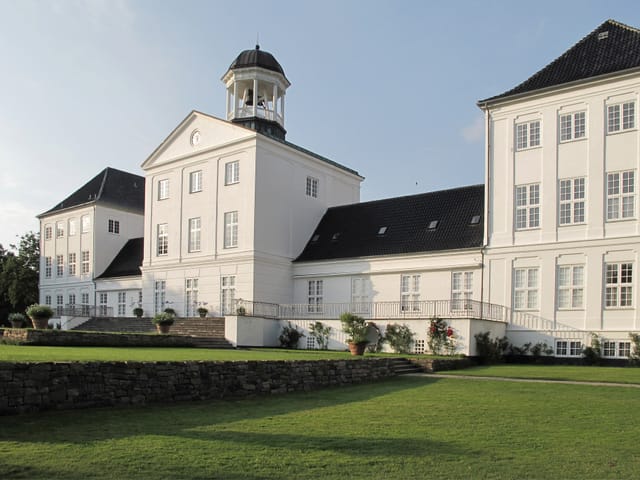 Graasten Palace The Danish royal family's white summer palace at Gråsten in South Jutland, with a Baroque palace church, a romantic landscape garden and a royal kitchen garden.
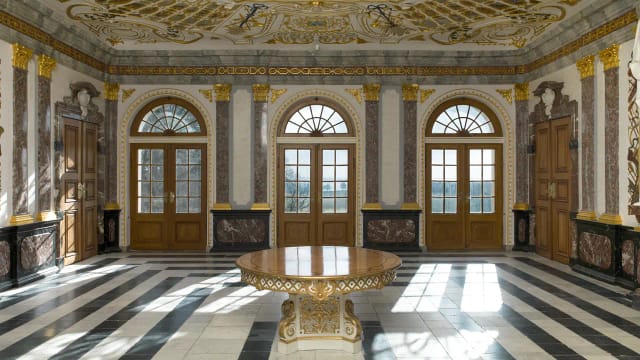 The Hermitage Palace The Baroque royal hunting lodge on the Hermitage Plain in Jægersborg Dyrehave, built 1734 to 1736 for Christian VI and shown by the Royal Danish Collection.