
Trapholt
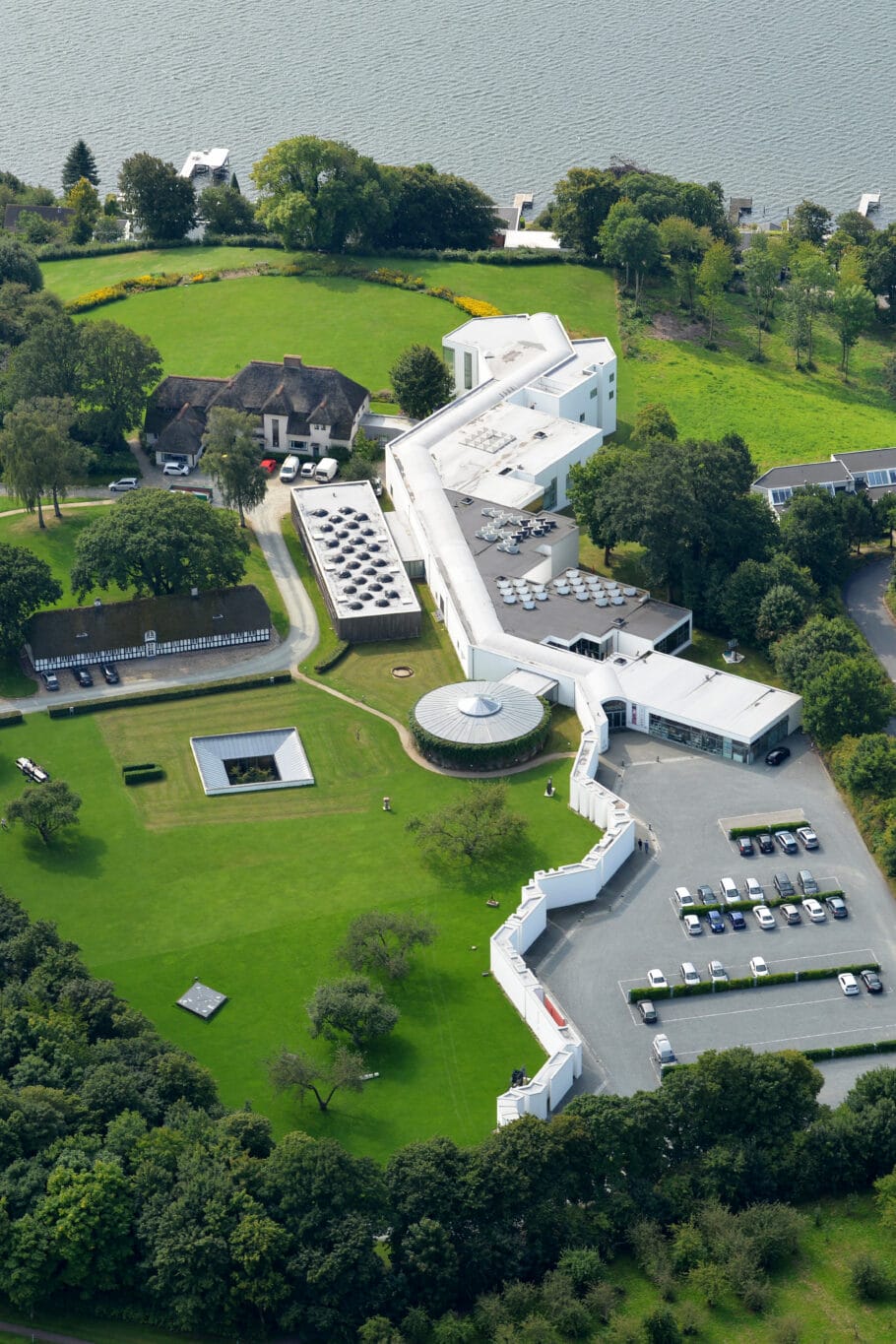
A museum of modern art, craft and design above Kolding Fjord, with a large collection of Danish furniture and Arne Jacobsen's Kubeflex summer house.
- Founded
- 1988
- Address
- Kolding
Pictures © Trapholt, from trapholt.dk.
Why it is renowned
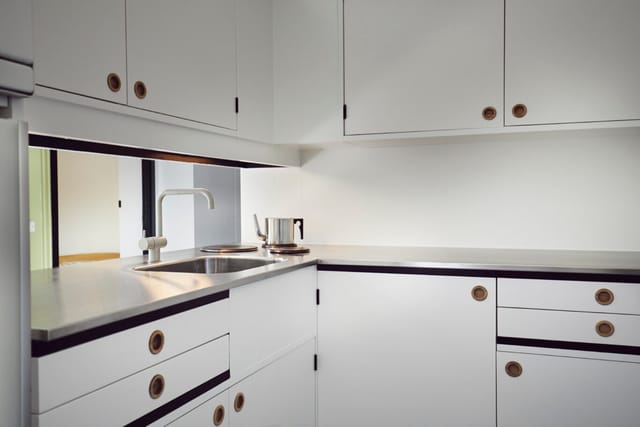
Wikivoyage's guide to Kolding names the Trapholt art museum among the reasons visitors come to the town, beside the royal castle of Koldinghus.1 Its furniture wing holds more than 500 chairs of the 20th century, the largest such collection in Denmark.2 In the grounds stands Kubeflex, the modular summer house Arne Jacobsen designed in 1969–70; it never went into production, and it is furnished with his own designs.3 In 2000 Marco Evaristti's installation Helena, ten working blenders each holding a live goldfish, brought the museum to the notice of the international press; in 2003 the BBC reported the Danish court ruling that followed.24
The story
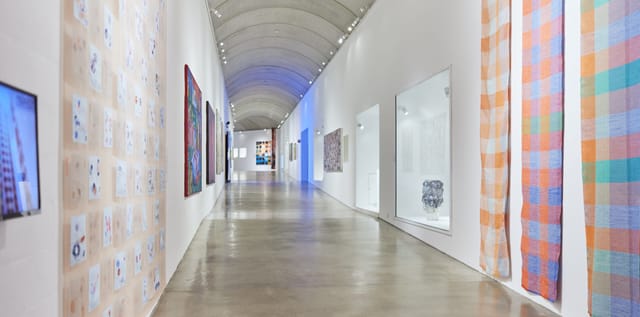
Trapholt opened in 1988 on a slope over Kolding Fjord, in a sculpture park with works by Danish artists such as Ingvar Cronhammar and Bjørn Nørgaard.52 The architects Boje Lundgaard and Bente Aude arranged the galleries along a central museum street, with a long sculptural wall between the museum and the park.25 A wing for the furniture collection followed in 1996, its spiral plan taken from the Guggenheim Museum.2 A room of Richard Mortensen's paintings was made with the painter himself.5 The Jacobsen family used Kubeflex on a beach in south Zealand until 2002, and it came to Trapholt in 2005.3
What to know it by
Sources
- Kolding, Wikivoyage. en.wikivoyage.org, read 29 September 2026.
- Trapholt, Wikipedia. en.wikipedia.org, read 28 September 2026.
- Arne Jacobsen's summerhouse, Trapholt. trapholt.dk, read 29 September 2026.
- Liquidising goldfish 'not a crime', BBC News. news.bbc.co.uk, read 30 September 2026.
- About Trapholt. trapholt.dk, read 29 September 2026.
Last checked 30 September 2026, against the maker's own pages.