
National Museum of Denmark
Denmark's largest museum of cultural history, in the Prince's Palace in Copenhagen, covering 14,000 years from the Ice Age to the Vikings and beyond.
- Founded
- 1807
- Founded by
- Christian Jürgensen Thomsen
- Address
- Ny Vestergade 10, Copenhagen
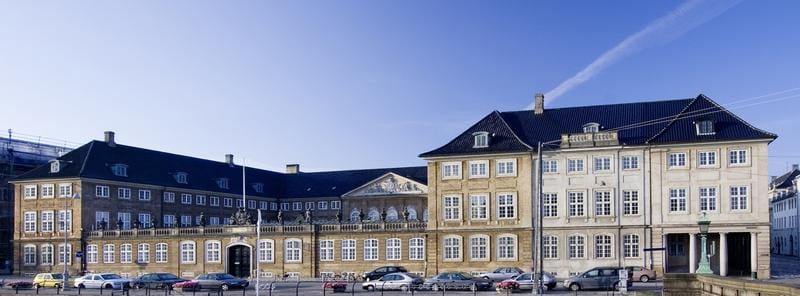
Pictures © National Museum of Denmark, from en.natmus.dk.
Why it is renowned
The National Museum holds finds known far beyond Denmark: the Gundestrup cauldron, the Trundholm Sun Chariot, the Egtved Girl's coffin and the Hjortspring boat.1 Its Viking exhibition, opened in 2013 by Queen Margrethe II, toured to other museums, the British Museum in London among them.1 It keeps one of Europe's largest collections of pre-Columbian objects from the Caribbean and runs archaeological research in Greenland and Alaska.1
The story
The museum traces its founding to 22 May 1807 and to the royal art chamber, Det Kongelige Kunstkammer; its first director was Christian Jürgensen Thomsen.1 Its main building is the Prince's Palace on Ny Vestergade, a short walk from Strøget.12 The exhibitions follow Danish history from the reindeer hunters of the Ice Age through the Vikings and the Middle Ages to everyday life from 1560 to 2000, and hold antiquities from Greece, Italy, the Near East and Egypt.1
What to know it by
- Gundestrup cauldronAmong the notable finds in the collection
- Trundholm Sun ChariotAmong the notable finds in the collection
- Egtved Girl coffinAmong the notable finds in the collection
- Golden horns of GallehusShown as copies; the originals were stolen in 1802
Sources
- National Museum of Denmark, Wikipedia. en.wikipedia.org, read 28 September 2026.
- National Museum of Denmark. en.natmus.dk, read 28 September 2026.
Last checked 28 September 2026, against the maker's own pages.