
Le Klint
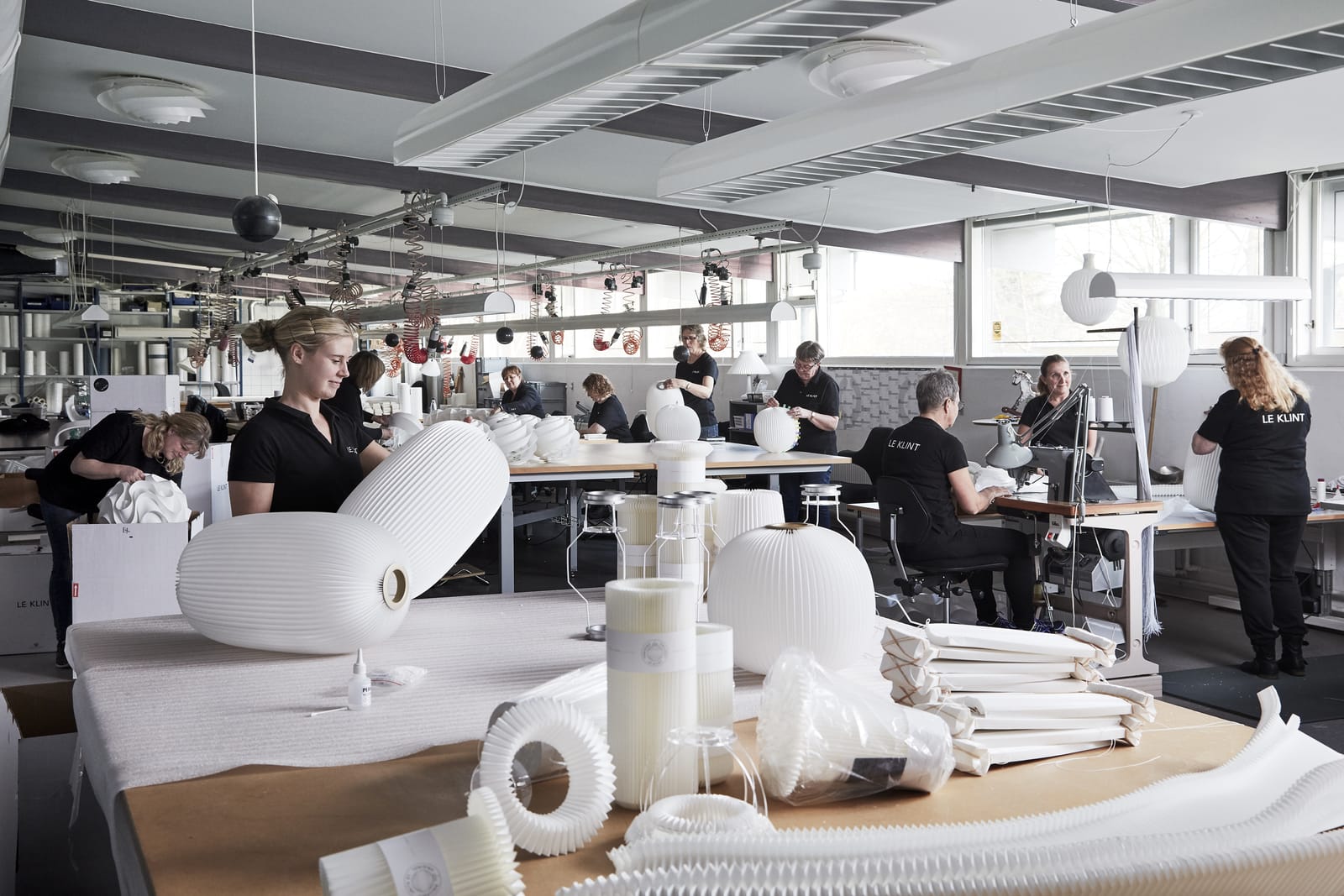
A lamp maker founded in Odense in 1943 that folds cross-pleated lampshades by hand, to a technique the Klint family worked out around 1900.
- Founded
- 1943
- Founded by
- Tage Klint
- Based in
- Odense
Pictures © Le Klint, from leklint.com.
Why it is renowned
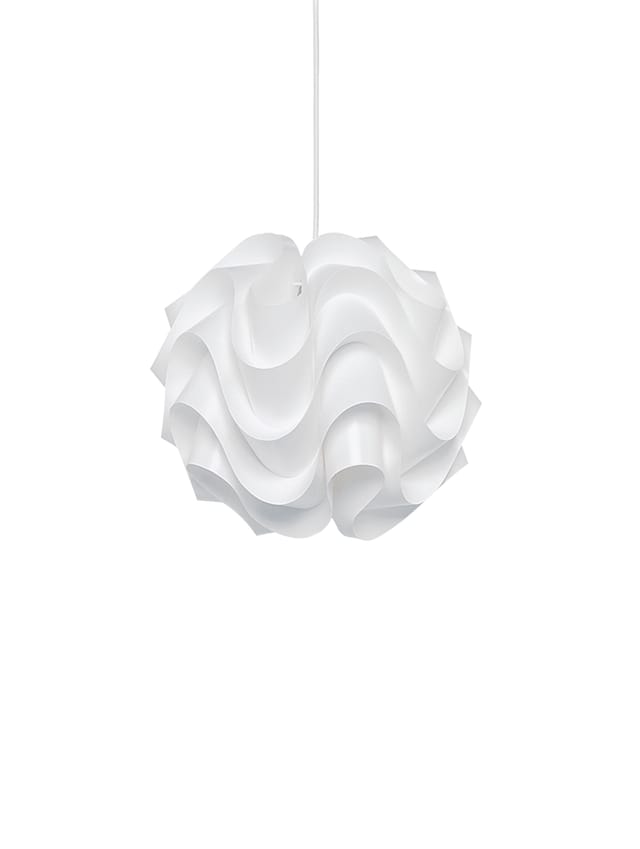
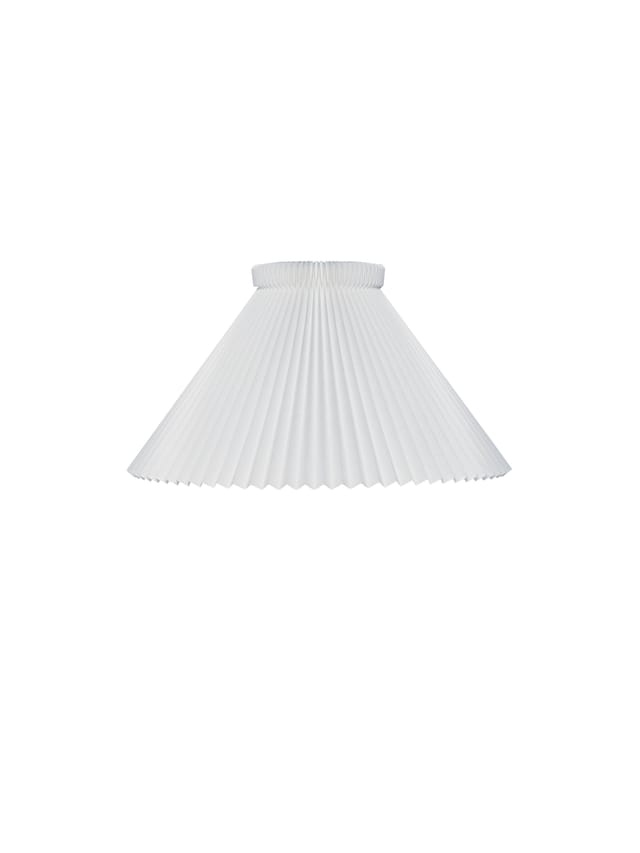
Le Klint is known for the pleated lampshade: a single sheet of paper or plastic folded into a shade that holds its own shape.1 Kaare Klint, the architect often called the father of Danish Modern, designed several of its lamps, among them the Model 101 of 1944.1 Poul Christiansen's Model 172 of 1971, folded along sine curves, gave the company its international breakthrough and built up its exports.1
The lamps have been supplied to the Royal Danish Court over the years, including for the royal yacht Dannebrog and the royal railway carriage.2 In 2003 Le Klint was appointed Purveyor to the Royal Danish Court.2 The royal house is phasing the title out, and current holders may use it until the end of 2029.3 The company exported from the 1950s, when Jan Klint returned from the United States to run it.1
The story
Around 1900 the architect P.V. Jensen-Klint, who built Grundtvig's Church in Copenhagen, folded a paper shade for a stoneware oil lamp, using a cross-pleating technique that gave the shade a collar at right angles to its pleats.1 His son Tage Klint added a grip collar that holds the shade on its frame and patented it in 1938.1 In 1943 he founded the company and named it after his daughter, Lise Le Charlotte Klint, who helped with production and ran the first shop in Store Kirkestræde in Copenhagen.41
In the 1960s production moved to its own premises at Egestubben in Odense, where its head office and production still are.1 In 1967 Poul Christiansen, then a 20-year-old architecture student, brought the company shades folded in curves rather than straight lines; he has designed for it ever since, from the Model 172 of 1971 to the wall lamp Model 215 of 2006.15 Since 1972 the company has been owned by the Klint Foundation, set up by Jan Klint to keep production in Odense.1 The Model 1, the first shade, is still made the same way.1
Works
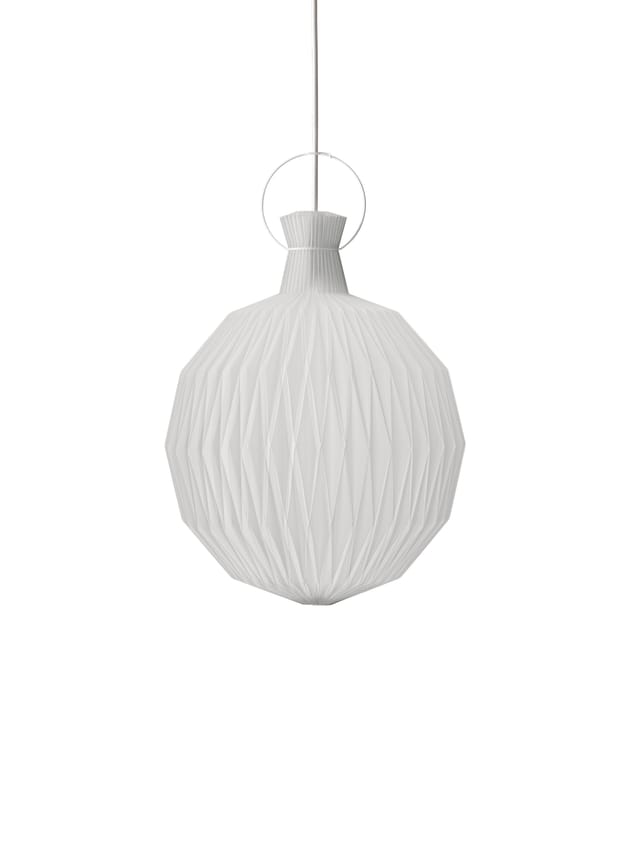 Model 101 A closed pendant lamp of hand-folded pleats, known as the Lantern, designed by Kaare Klint in 1944 and made by Le Klint.
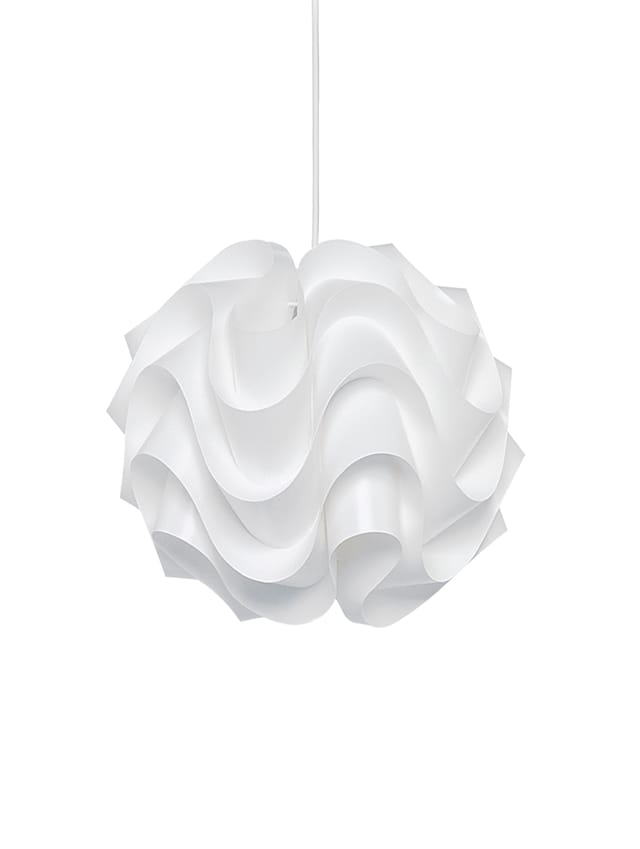 Model 172 A pendant lamp whose shade is folded by hand along sine curves, drawn by Poul Christiansen in 1971 and made by Le Klint in Odense.
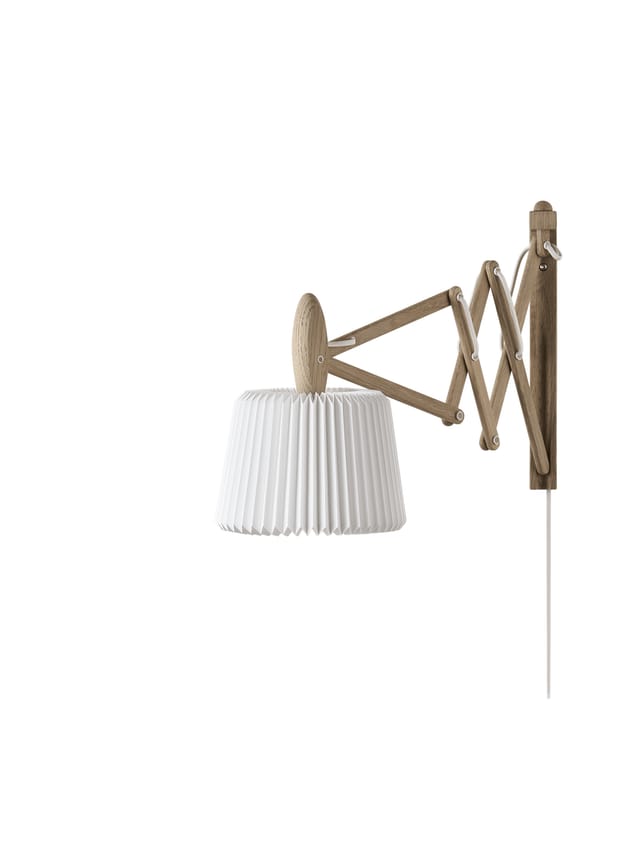
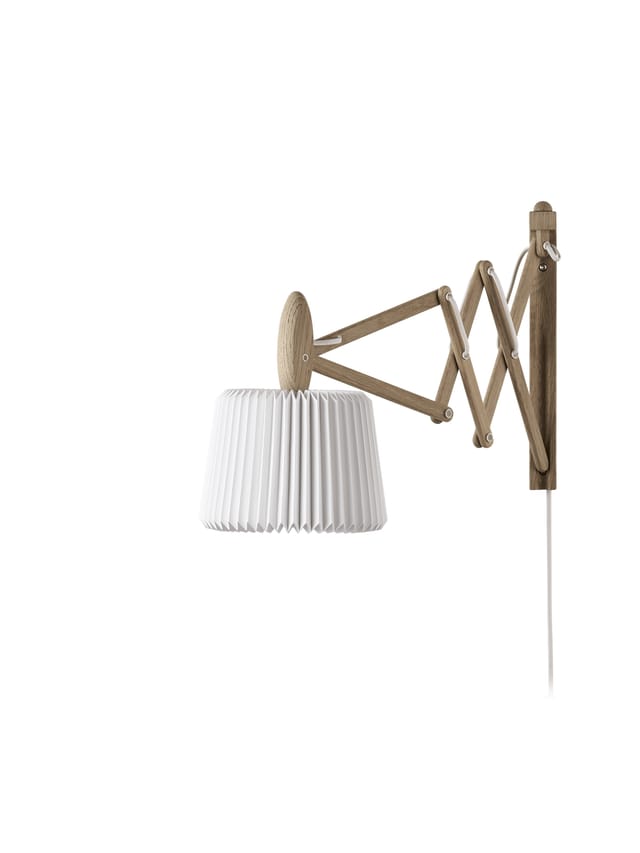 Sax A wall lamp on a wooden scissor arm that extends and folds like an accordion, with a pleated shade, designed by Erik Hansen in 1952 and made by Le Klint.
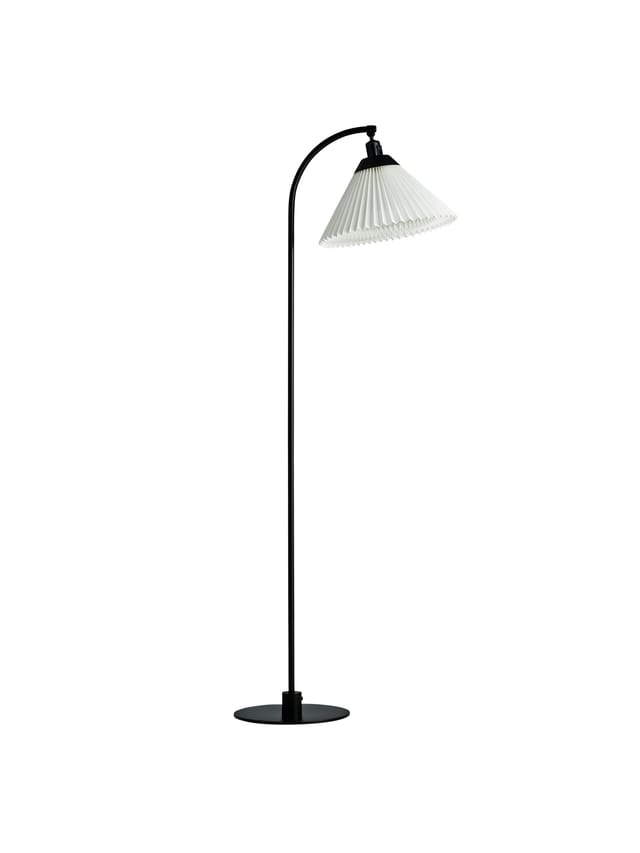 Model 368 A black steel reading floor lamp with a tilting hand-folded shade, designed by Flemming Agger in 1979 and made by Le Klint.
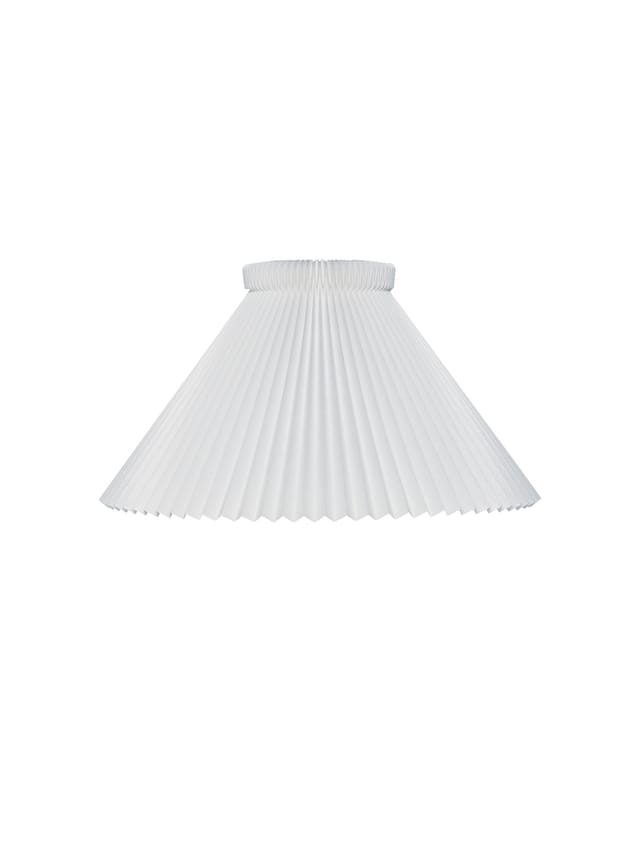 Model 1 The first Le Klint shade, a hand-pleated lampshade with a folded collar, made in Odense since the company began in 1943.
What to know it by
- Model 17211971Poul ChristiansenPendant folded along sine curves
- Model 10111944Kaare KlintClosed pleated pendant, the Lantern
- Sax11952Erik HansenExtending wall lamp with a pleated shade
- Model 11Tage KlintThe first shade, with the grip collar
- Model 36811979Flemming AggerBlack metal floor lamp, the Agger lamp
Sources
- Our History, Le Klint. leklint.com, read 28 September 2026.
- Royal Danish Court, Le Klint. leklint.com, read 28 September 2026.
- Kongelig Hofleverandør, Kongehuset. kongehuset.dk, read 28 September 2026.
- Le Klint, Wikipedia. en.wikipedia.org, read 28 September 2026.
- Poul Christiansen, Le Klint. leklint.com, read 28 September 2026.
Checked 28 September 2026, against the maker's own pages.