
Kay Bojesen
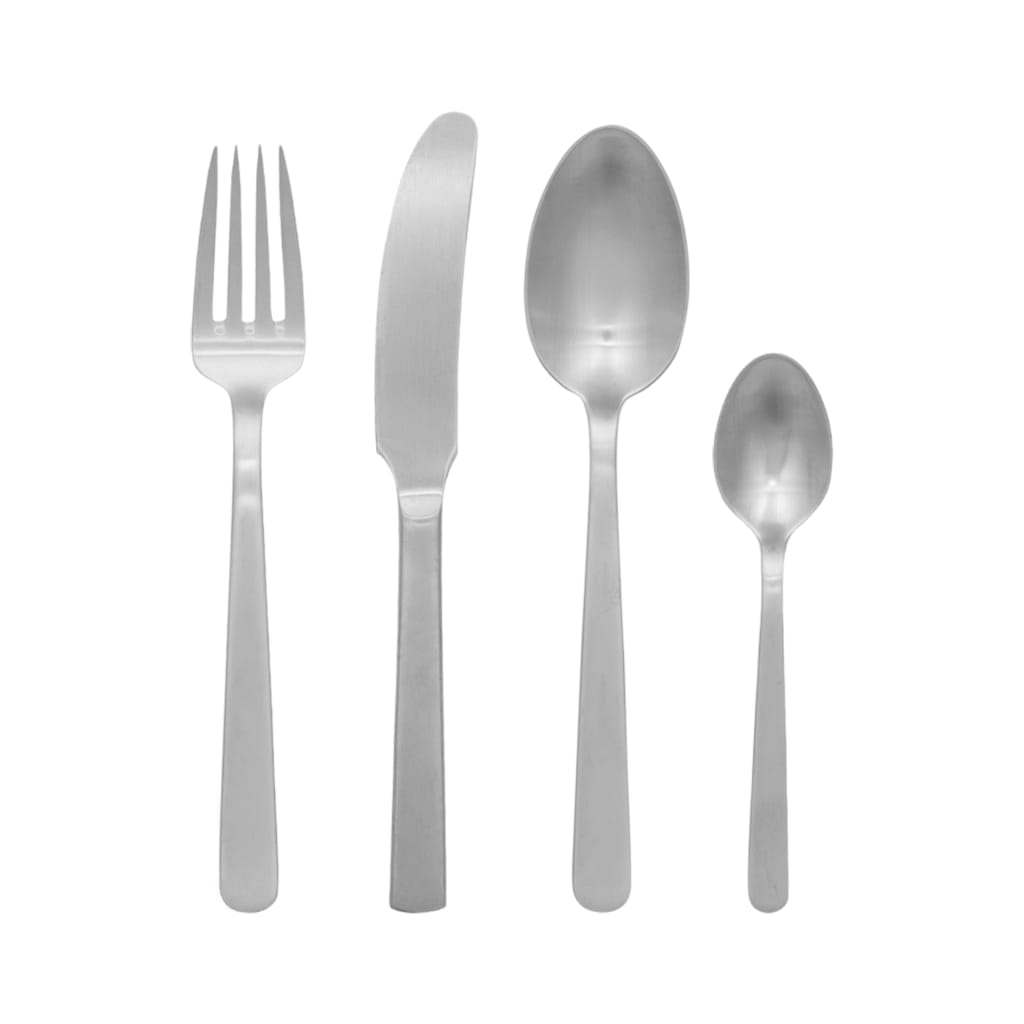
The silversmith Kay Bojesen's designs, above all the Grand Prix cutlery, made today by his granddaughter's company.
- Founded by
- Kay Bojesen
- Company
- Kay Bojesen ApS
Why it is renowned
Kay Bojesen's cutlery, first shown in silver in 1938, won the Grand Prix at the ninth Milan Triennale in 1951 and took its name from the prize.12 It is known as Denmark's national cutlery and is used in Danish embassies around the world.1 His wooden monkey of 1951 was shown at the Victoria and Albert Museum in London in the 1950s.2
The story
Born in Copenhagen in 1886, Bojesen trained in Georg Jensen's silver workshop from 1907 and became a silversmith in 1910.1 He turned to functional, undecorated silver, began making wooden toys in 1922 and in 1931 started Den Permanente, a shop and exhibition for Danish crafts.1 The Grand Prix cutlery came in matt stainless steel in 1953, and in 1952 he became purveyor to the Danish court.1 He died in 1958; in 2011 his granddaughter Sus Bojesen Rosenqvist founded Kay Bojesen ApS and relaunched the Grand Prix cutlery in silver and steel, while the wooden figures are made by the Rosendahl Design Group.1
What to know it by
- Grand Prix1938Kay BojesenCutlery, prize at the Milan Triennale 1951
- Monkey1951Kay BojesenWooden toy, now made by Rosendahl
Pictures © Kay Bojesen ApS, from kaybojesen.com.
Sources
- About Kay Bojesen. kaybojesen.com, read 28 September 2026.
- Kay Bojesen, Wikipedia. en.wikipedia.org, read 28 September 2026.
Last checked 28 September 2026, against the maker's own pages.